
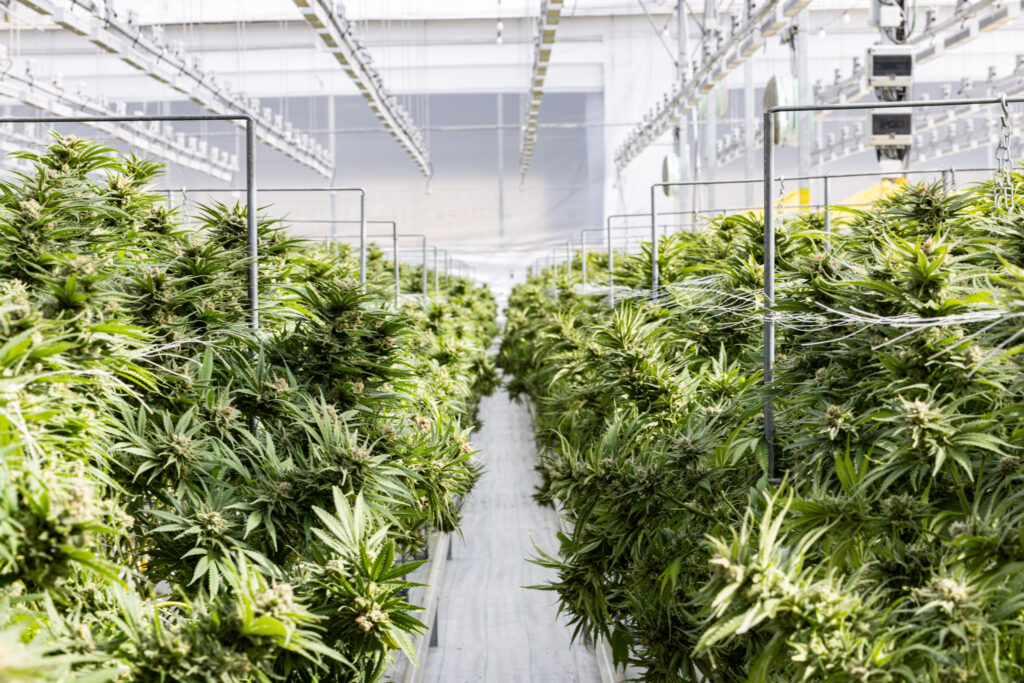
How can cannabis categories help when comparing products? For many consumers, Indica vs sativa provides an initial framework for navigating different cannabis options. These traditional classifications can describe broad genetic and botanical characteristics, while the actual product profile depends on several additional factors. Understanding how these categories relate to cannabinoids, terpenes, formats, and product descriptions can make the selection process more organized and informative.
Jump To
- What Is the First Difference to Consider?
- How Does Product Format Affect Selection?
- Why Should Cannabinoid Content Be Compared?
- What Makes Terpene Profiles Useful?
- Can Indica Products Have Different Characteristics?
- Can Sativa Products Also Vary?
- Where Do Hybrid Products Fit?
- Does the Category Determine the Entire Experience?
- What Should Consumers Compare Before Choosing?
- How Can Product Selection Become More Personalized?
- Conclusion
What Is the First Difference to Consider?
The first distinction is the traditional classification itself. Indica is generally associated with shorter plants, broader leaves, and compact growth, while sativa is traditionally linked with taller plants and narrower leaves.
When these terms appear on product descriptions, they can provide a quick overview of the variety’s general genetic background. They are useful as an introductory reference before examining more detailed product information.
How Does Product Format Affect Selection?
Cannabis is available in different formats, including flower, pre-rolls, concentrates, edibles, and other preparations. The format can influence how consumers approach a product because each option has its own characteristics.
For example, consumers interested in traditional flower can examine appearance, aroma, cannabinoid percentages, and terpene information directly. Other formats may require closer attention to serving size and product-specific details.
Why Should Cannabinoid Content Be Compared?
Cannabinoid content provides measurable information about a cannabis product. THC and CBD are two prominent cannabinoids, and their concentrations can differ considerably between products within the same broad category.
Rather than relying exclusively on an indica or sativa label, comparing cannabinoid percentages can help consumers understand how products differ at a chemical level. This creates a more detailed basis for product selection.
What Makes Terpene Profiles Useful?
Terpenes contribute to the aroma and flavor of cannabis. Compounds such as limonene, myrcene, pinene, and caryophyllene can produce distinctly different sensory profiles.
A consumer comparing two products with the same traditional classification may discover that their aromas and flavors are quite different. Looking at terpene information can therefore make product comparisons more specific and personalized.
Can Indica Products Have Different Characteristics?
Yes. Products within the indica category can vary substantially. Differences in genetics, cultivation practices, cannabinoid levels, terpene composition, harvesting, and curing can all contribute to the final product profile.
This variety means that the indica label should be considered one piece of information rather than a complete description of the product.
Can Sativa Products Also Vary?
Sativa products can display significant differences as well. Although the category is traditionally associated with taller plants and certain uplifting descriptions, individual products can have their own distinctive cannabinoid ratios, terpene profiles, flavors, and aromas.
Examining these details allows consumers to move beyond broad assumptions and focus on the characteristics of the specific product.
Where Do Hybrid Products Fit?
Hybrid varieties occupy a broad space between traditional indica and sativa classifications. They are developed by combining genetics from different cannabis lineages and can express characteristics associated with either category or both.
For product selection, hybrids can expand the available choices and provide additional combinations of aroma, flavor, plant structure, and cannabinoid composition.
Does the Category Determine the Entire Experience?
No single label can fully determine how an individual product will be experienced. Personal biology, tolerance, consumption method, dosage, cannabinoid levels, and terpene composition can all contribute to individual responses.
For this reason, product descriptions are most useful when they provide multiple pieces of information rather than relying on category terminology alone.
What Should Consumers Compare Before Choosing?
A practical comparison can include the product category, THC and CBD levels, terpene profile, product format, aroma, flavor description, and available serving information.
Looking at these characteristics together can make it easier to distinguish between products that initially appear similar. It also encourages consumers to develop preferences based on specific product features.
How Can Product Selection Become More Personalized?
Keeping track of personal preferences can be helpful when exploring different cannabis products. Consumers may notice that they consistently prefer particular aromas, flavors, cannabinoid profiles, or product formats.
Over time, these observations can create a more individualized approach to browsing cannabis options. Traditional indica and sativa categories can remain part of that process while more detailed product information provides additional context.
Conclusion
Indica and sativa categories can serve as useful starting points when exploring cannabis products, but effective product comparison involves more than a single classification. Cannabinoid content, terpene composition, product format, genetics, aroma, and flavor all contribute to a product’s individual profile. By considering these characteristics together, consumers can approach product selection with greater clarity and a better understanding of the variety available through today’s cannabis market.
What You Need to Know
- Indica is typically associated with shorter plants and broader leaves, while sativa is linked to taller plants and narrower leaves.
- Different cannabis formats, including flower, pre-rolls, concentrates, and edibles, each have unique characteristics that influence consumer selection.
- Cannabinoid content, particularly THC and CBD concentrations, varies significantly among products within the same category and provides critical information for consumers.
- Terpenes, which contribute to the aroma and flavor of cannabis, can lead to distinct sensory profiles among products that share the same traditional classification.
- Hybrid cannabis products combine genetics from both indica and sativa lineages, potentially expressing characteristics from either category or both.
- Individual experiences with cannabis products are influenced by personal biology, tolerance, consumption method, and the specific cannabinoid and terpene compositions.