
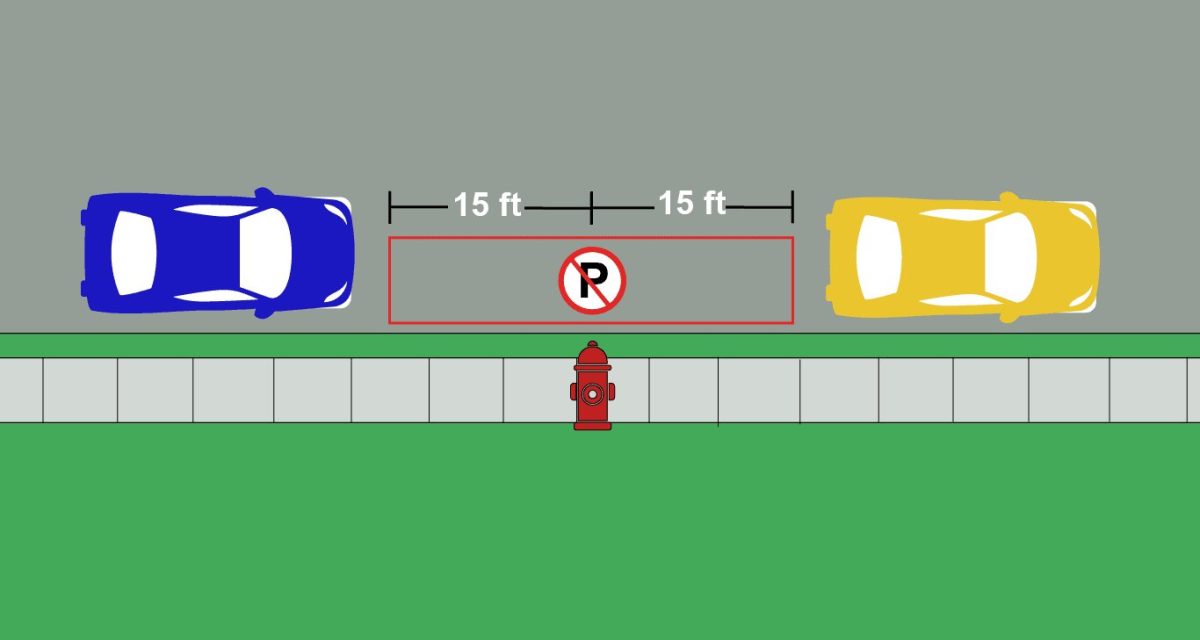
Parking near a fire hydrant: How far away should you park from a fire hydrant? The answer is simple: always park at least 15 feet away. Ignoring this critical rule can pose serious risks in emergency situations. Firefighters rely on unimpeded access to hydrants for quick response times. Stay compliant and help keep your community safe by following this basic parking guideline. Remember, a clear path to a fire hydrant could make all the difference in a life-threatening situation.

How Far Away Should You Park from a Fire Hydrant?
Welcome to our guide on parking near fire hydrants! When it comes to parking your vehicle on the street, there are many rules and regulations to follow to ensure safety and accessibility for everyone. One critical question that often arises is: How far away should you park from a fire hydrant? In this article, we will explore the importance of keeping a safe distance from fire hydrants and provide you with all the information you need to make sure you are parking in the right spots.
Understanding Fire Hydrants and their Importance
Before we dive into the specifics of parking near fire hydrants, let’s first understand what fire hydrants are and why they are crucial for public safety. Fire hydrants are water access points typically found on the streets or sidewalks, designed to provide firefighters with quick access to water in case of a fire emergency. These hydrants are connected to the municipal water supply and play a vital role in extinguishing fires and saving lives.
Why Parking Near Fire Hydrants Is a Problem
Parking too close to a fire hydrant can impede firefighters’ ability to access it quickly and efficiently during an emergency. When a vehicle blocks a fire hydrant, firefighters may lose precious time trying to maneuver around the parked vehicle, potentially putting lives and property at risk. That’s why it’s essential to maintain a safe distance from fire hydrants at all times.
The Legal Distance You Should Maintain
According to most traffic laws and regulations, the standard distance you should maintain between your parked vehicle and a fire hydrant is typically 15 feet. This distance allows ample space for firefighters to connect hoses and operate the hydrant without any obstructions. It’s important to note that the exact distance requirement may vary depending on your location, so always check local ordinances for specific guidelines in your area.
Consequences of Improper Parking near Fire Hydrants
Violating the rules regarding parking near fire hydrants can result in hefty fines and potential towing of your vehicle. In addition to the financial penalties, parking illegally near fire hydrants can have serious consequences in case of a fire emergency. By obstructing access to a fire hydrant, you are not only putting yourself at risk but also endangering the safety of others in your community.
Tips for Parking Safely Near Fire Hydrants
Now that you understand the importance of maintaining a safe distance from fire hydrants, here are some tips to help you park responsibly:
1. Observe Parking Signs
Pay attention to any parking signs or markings near fire hydrants that indicate the designated parking distance. These signs are there to guide you and ensure compliance with local regulations.
2. Be Mindful of Surroundings
Before parking your vehicle, take a moment to survey the area and make sure there are no fire hydrants nearby. Be especially cautious when parking in unfamiliar locations.
3. Leave Ample Space
When in doubt, always err on the side of caution and leave more than enough space between your vehicle and a fire hydrant. It’s better to be safe than sorry.
4. Report Illegal Parking
If you notice a vehicle parked dangerously close to a fire hydrant, consider reporting it to the local authorities. By taking action, you can help prevent potential hazards and ensure the safety of your community.
Parking near fire hydrants is a serious matter that requires attention and responsibility from all drivers. By understanding the importance of maintaining a safe distance from fire hydrants and following the guidelines in your area, you can contribute to a safer environment for everyone. Remember, when it comes to parking near fire hydrants, it’s always better to be cautious and considerate of others. Stay safe, and happy parking!
How Far Must You Stay Away From A Fire Hydrant When Parking? #parking
Frequently Asked Questions
How far away should a vehicle be parked from a fire hydrant?
According to most municipalities and traffic regulations, vehicles should be parked at least 15 feet away from a fire hydrant. This distance allows easy access for firefighters to connect hoses in case of emergencies.
What are the consequences of parking too close to a fire hydrant?
Parking too close to a fire hydrant can result in a fine, towing of the vehicle, and potential delays for firefighters during emergencies. It is important to adhere to the designated distance to ensure safety and compliance with regulations.
Can I park in front of a fire hydrant if it’s just for a short time?
No, parking in front of a fire hydrant, even for a short time, is prohibited and can impede firefighting efforts. It is crucial to always maintain the required distance from fire hydrants to ensure access for emergency services when needed.
Are there any exceptions to the distance required from a fire hydrant?
Generally, there are no exceptions to the distance required from a fire hydrant when parking. It is important to always follow the regulations in place to ensure the safety of the community and allow for unimpeded access to fire hydrants during emergencies.
Final Thoughts
When it comes to parking near a fire hydrant, safety is paramount. Remember, parking within 15 feet of a fire hydrant is illegal in most places. This distance ensures easy access for firefighters during emergencies. Always prioritize keeping the area clear for quick and efficient access to fire hydrants. Park responsibly and ensure you are aware of the regulations regarding how far away you should park from a fire hydrant to avoid fines and help emergency responders do their job effectively.