
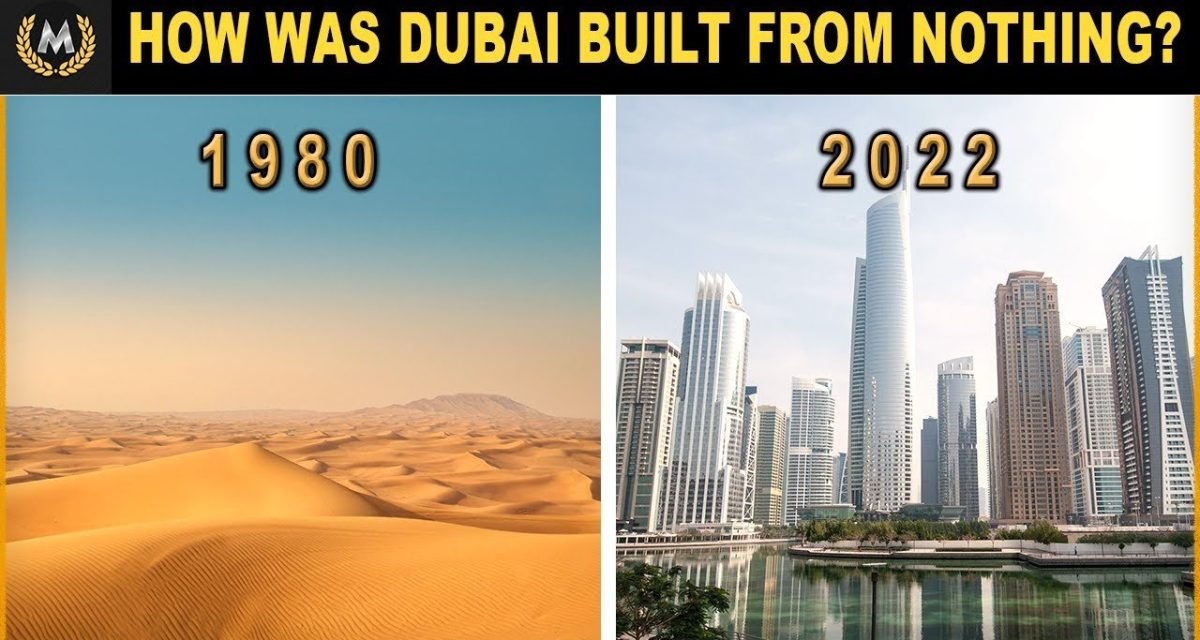
Dubai was built on ambitious vision and unyielding perseverance. The city rose from the sands through groundbreaking engineering feats and unwavering determination. How was Dubai built? With innovative technologies, vast resources, and an unwavering commitment to progress. Skyscrapers, artificial islands, and impressive infrastructure mark the testament to Dubai’s extraordinary growth. Join us on a journey to uncover the remarkable story of how Dubai transformed into a modern marvel in the heart of the desert.

Exploring the Marvel: How Was Dubai Built
Welcome, young explorers! Today, we are going to embark on an exciting journey to uncover the secrets behind one of the most extraordinary cities in the world – Dubai! Have you ever wondered how this bustling metropolis emerged from the desert sands? Join me as we delve into the fascinating story of how Dubai was built, brick by brick, skyscraper by skyscraper.
The Early Days: From Desert Oasis to Global City
Long before the shiny skyscrapers and bustling malls, Dubai was a humble desert settlement known for its pearl diving and trading activities. The transformation of Dubai into a global city began with the discovery of oil in the 1960s. The newfound wealth from oil exports provided the resources needed to kickstart the city’s ambitious development projects.
Building the Foundations: Infrastructure and Urban Planning
One of the key factors that contributed to Dubai’s rapid growth was its strategic urban planning and investment in state-of-the-art infrastructure. The city’s leaders envisioned a modern, sustainable urban environment that could accommodate the needs of a rapidly expanding population. Roads, bridges, and transportation networks were constructed to connect different parts of the city and facilitate trade and commerce.
The Rise of Iconic Structures: Burj Khalifa and Palm Jumeirah
Perhaps one of the most iconic symbols of Dubai’s modernity is the towering Burj Khalifa, the tallest building in the world. Constructed using cutting-edge engineering techniques and materials, the Burj Khalifa stands as a testament to Dubai’s ambition and innovation. Similarly, the creation of artificial islands like Palm Jumeirah showcases Dubai’s prowess in urban development and landscaping.
Innovative Construction Techniques: Skyscrapers and Mega Projects
Dubai is renowned for its skyline dominated by futuristic skyscrapers that seem to defy gravity. The construction industry in Dubai has embraced innovative technologies and sustainable building practices to erect these architectural marvels. From the use of advanced materials to sophisticated design concepts, each skyscraper in Dubai tells a unique story of engineering ingenuity.
Sustainability and Green Initiatives
As Dubai continued to grow, so did its commitment to sustainability and environmental conservation. The city has implemented various green initiatives to reduce its carbon footprint and promote eco-friendly practices. From LEED-certified buildings to renewable energy projects, Dubai is paving the way for a more sustainable future.
Megaprojects: Dubai Marina and Dubai Parks
One of the most striking features of Dubai’s development is its ambitious megaprojects that redefine the city’s landscape. Dubai Marina, with its luxurious waterfront living and breathtaking skyline, is a prime example of urban planning excellence. Similarly, Dubai Parks and Resorts offer world-class entertainment and leisure facilities that cater to residents and tourists alike.
Cultural Heritage Preservation: Old Dubai and Heritage Sites
Amidst the modernity and glitz of Dubai, the city has also placed great importance on preserving its rich cultural heritage and traditions. Old Dubai, with its historic buildings, souks, and traditional neighborhoods, offers a glimpse into the city’s past. Heritage sites like Al Fahidi Fort and Dubai Museum serve as reminders of Dubai’s humble beginnings and cultural roots.
Restoration and Conservation Efforts
To ensure that Dubai’s heritage is not lost amid rapid urbanization, restoration and conservation efforts have been undertaken to protect historic landmarks and traditional architecture. These initiatives aim to strike a balance between preserving the past and embracing the future, making Dubai a city that seamlessly blends tradition with modernity.
The Future of Dubai: Innovation and Sustainable Development
Looking ahead, Dubai continues to push the boundaries of innovation and sustainable development to secure its position as a global hub for business, tourism, and culture. Projects like Expo 2020 and Dubai Future District showcase the city’s commitment to embracing cutting-edge technologies and fostering creativity and entrepreneurship.
Smart City Initiatives
Dubai’s journey towards becoming a smart city is fueled by its adoption of advanced technologies such as AI, IoT, and blockchain. Smart initiatives like Dubai Paperless Strategy and Dubai Data Establishment are transforming the way services are delivered and enhancing the quality of life for residents and visitors.
Cultural Exchange and Diversity
Another key aspect of Dubai’s future growth is its emphasis on cultural exchange and diversity. The city’s vibrant multicultural community, with residents hailing from diverse backgrounds, contributes to its dynamism and creativity. Dubai’s commitment to inclusivity and tolerance sets it apart as a welcoming and harmonious global city.
As we conclude our exploration of how Dubai was built, let us marvel at the incredible journey of transformation that has turned a desert oasis into a cosmopolitan metropolis. Dubai’s story is a testament to human ingenuity, perseverance, and vision, showcasing what is possible when dreams meet determination. So, next time you gaze at the glittering skyline of Dubai, remember the remarkable story of how this magnificent city came to be.
How Dubai Was Built In 55 Years
Frequently Asked Questions
How did Dubai transform from a desert to a modern city?
Dubai’s transformation from a desert to a modern city was primarily driven by visionary leadership, strategic urban planning, and significant investments in infrastructure. The government’s focus on diversifying the economy, particularly through tourism and trade, played a crucial role in attracting global investments and fostering rapid development.
What were some key factors that contributed to the construction boom in Dubai?
The construction boom in Dubai was fueled by various factors such as ample oil wealth, a strategic geographic location, political stability, and a business-friendly environment. Additionally, Dubai’s ambitious development projects, including iconic landmarks like the Burj Khalifa and Palm Jumeirah, attracted investors and tourists from around the world, further stimulating the construction industry.
How did Dubai overcome challenges in building infrastructure in a harsh desert environment?
To overcome challenges in building infrastructure in a harsh desert environment, Dubai employed advanced engineering techniques, innovative sustainable practices, and cutting-edge technology. The city invested in modern water desalination plants, efficient waste management systems, and smart urban planning to ensure the sustainable development of its infrastructure.
Final Thoughts
Dubai’s rapid transformation into a gleaming metropolis was driven by visionary leadership, strategic investments, and cutting-edge technology. The city’s impressive infrastructure, iconic landmarks, and world-class amenities showcase meticulous planning and execution. Key factors such as strategic location, economic diversification, and a skilled workforce played a crucial role in shaping Dubai’s growth. Understanding how Dubai was built offers valuable insights into the power of ambition, innovation, and perseverance. The story of Dubai’s development serves as a compelling example of turning dreams into reality through determination and hard work.