
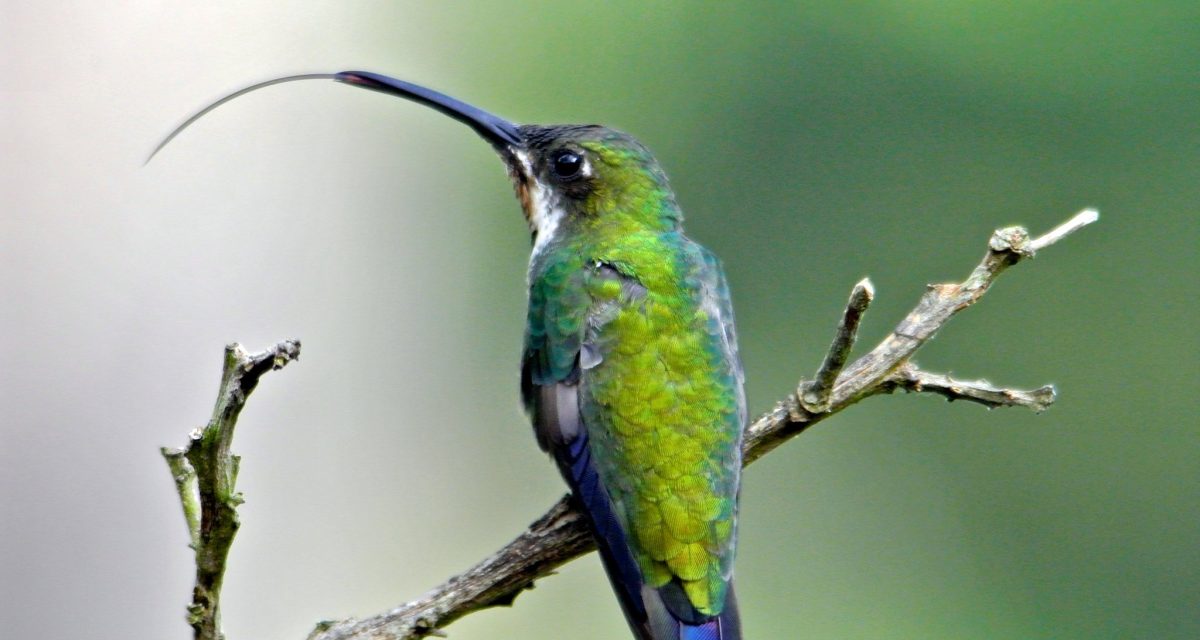
A hummingbird’s tongue can extend up to twice the length of its beak. The intriguing length of a hummingbird’s tongue plays a crucial role in their feeding habits, allowing them to reach deep into flowers for nectar. But just how long is a hummingbird’s tongue exactly? The answer might surprise you. Join us as we delve into the fascinating world of these tiny but mighty creatures and uncover the secrets behind their remarkable anatomy.

How Long is a Hummingbird’s Tongue?
Welcome, young explorers! Today, we are diving deep into the fascinating world of hummingbirds to uncover a tiny yet incredible detail: how long is a hummingbird’s tongue? These remarkable creatures have captured the imagination of many with their colorful feathers, swift movements, and delicate features. But it’s their unique feeding adaptation that we are going to unravel in this article.
The Anatomy of a Hummingbird’s Tongue
Before we talk about the length of a hummingbird’s tongue, let’s first understand the anatomy of this remarkable appendage. A hummingbird’s tongue is not your typical tongue like ours. It’s a specialized tool designed for a specific purpose – feeding on nectar from flowers.
Hummingbird tongues are long, tubular structures that have a forked or split tip. This adaptation allows them to efficiently lap up nectar from deep within flowers. The tongue is made up of two parts, each with its own function. The outer part is covered in tiny hair-like structures that help trap the sugary liquid, while the inner part acts like a pump, drawing the nectar up into the bird’s mouth.
The Incredible Length of a Hummingbird’s Tongue
Now, let’s answer the burning question: How long is a hummingbird’s tongue? Despite their small size, hummingbirds have surprisingly long tongues relative to their body size. In fact, a hummingbird’s tongue can be as long as its entire body when fully extended!
On average, a hummingbird’s tongue can range from 1.5 to 3 inches in length, depending on the species. This incredible length allows them to reach deep into flowers and extract nectar with precision and efficiency. Imagine having a tongue that can reach all the way to your toes – that’s how impressive a hummingbird’s tongue is!
Variations in Tongue Length Among Hummingbird Species
While most hummingbird species have tongues that fall within the average length range, there are some fascinating variations to be found in the hummingbird world. For example, the Sword-billed Hummingbird holds the record for the longest tongue relative to its body size among birds. Its tongue can reach up to 4 inches long, which is longer than its own beak!
On the other hand, the Bee Hummingbird, the smallest bird in the world, has a tongue that is proportionally shorter compared to its body size. Despite this, it is still incredibly efficient at feeding on nectar from tiny flowers.
The Functionality of a Hummingbird’s Tongue
Now that we know how long a hummingbird’s tongue can be, let’s delve into how this remarkable adaptation works in action. Hummingbirds are known for their hovering flight, where they can remain stationary in mid-air while feeding on nectar. Their long tongues play a crucial role in this feeding behavior.
When a hummingbird hovers in front of a flower, it extends its tongue deep into the flower’s nectar chamber. The split tip of the tongue allows it to open up and wrap around the nectar source, creating a seal. As the bird retracts its tongue, the nectar is drawn up through capillary action, similar to how a straw works.
This process is incredibly fast, with hummingbirds capable of lapping up nectar at a rate of up to 13 times per second! Their tongues move in and out with lightning speed, allowing them to consume enough nectar to sustain their high-energy lifestyle.
The Importance of Nectar in a Hummingbird’s Diet
Nectar is the primary source of food for hummingbirds, providing them with the energy they need to fuel their metabolism and sustain their rapid flight. While nectar is rich in sugars, it lacks essential nutrients like proteins and fats. To compensate for this, hummingbirds also feed on insects and spiders to meet their nutritional needs.
Hummingbirds have a high metabolism, and they need to consume large amounts of nectar to maintain their energy levels. Their long tongues and rapid feeding behavior are adaptations that allow them to efficiently extract nectar from flowers and meet their daily energy requirements.
The Evolutionary Advantages of a Long Tongue
The evolution of a long tongue in hummingbirds has provided them with several advantages that have contributed to their success as nectar feeders. By being able to access nectar from a wide variety of flowers, hummingbirds have access to a diverse food source that helps sustain their population.
Additionally, the specialized structure of their tongue allows them to feed on nectar from flowers with different shapes and sizes. This versatility gives them a competitive edge in the quest for food, especially in habitats where nectar is a limited resource.
Conservation Concerns and Hummingbird Habitats
As fascinating as hummingbirds are, they are facing threats to their survival due to habitat loss, climate change, and other human-induced factors. It’s essential for us to protect hummingbird habitats and provide them with a safe environment where they can thrive.
By planting native flowers that attract hummingbirds, reducing pesticide use, and supporting conservation efforts, we can help ensure that these incredible creatures continue to enchant us with their beauty and grace for generations to come.
In Conclusion
So, young explorers, the next time you see a hummingbird flitting around your garden, take a moment to appreciate the incredible feat of nature that is their long tongue. From its amazing length to its efficient design, a hummingbird’s tongue is a true marvel of evolution that allows these tiny birds to thrive in their nectar-rich world.
Keep observing, learning, and protecting these marvelous creatures, and who knows what other secrets of the natural world you might uncover in your adventures!
Happy exploring!
How Long Is a Hummingbird’s Tongue
Frequently Asked Questions
How long is a hummingbird’s tongue?
A hummingbird’s tongue can range from about 0.5 to 1 inch long, depending on the species. Their unique tongue structure allows them to reach deep into flowers to feed on nectar.
What is the purpose of a hummingbird’s long tongue?
The extended length of a hummingbird’s tongue enables them to access nectar from deep within flowers that may not be reachable by other insects or birds. This specialized adaptation helps hummingbirds efficiently feed on the nectar they require to sustain their high metabolism.
How does a hummingbird’s tongue work?
A hummingbird’s tongue has tiny, hair-like structures on the tip that can expand and trap liquid nectar through capillary action. When the hummingbird retracts its tongue, the nectar is drawn into its mouth for consumption. This unique mechanism allows them to consume nectar effectively while hovering around flowers.
Final Thoughts
A hummingbird’s tongue, despite its tiny size, can be quite remarkable. Measuring about 1.5 times the length of its beak, this specialized tongue is crucial for capturing nectar efficiently. Through capillary action and a forked tip, it can collect up to seven times its weight in nectar. Understanding how long is a hummingbird’s tongue sheds light on their incredible feeding adaptations.