
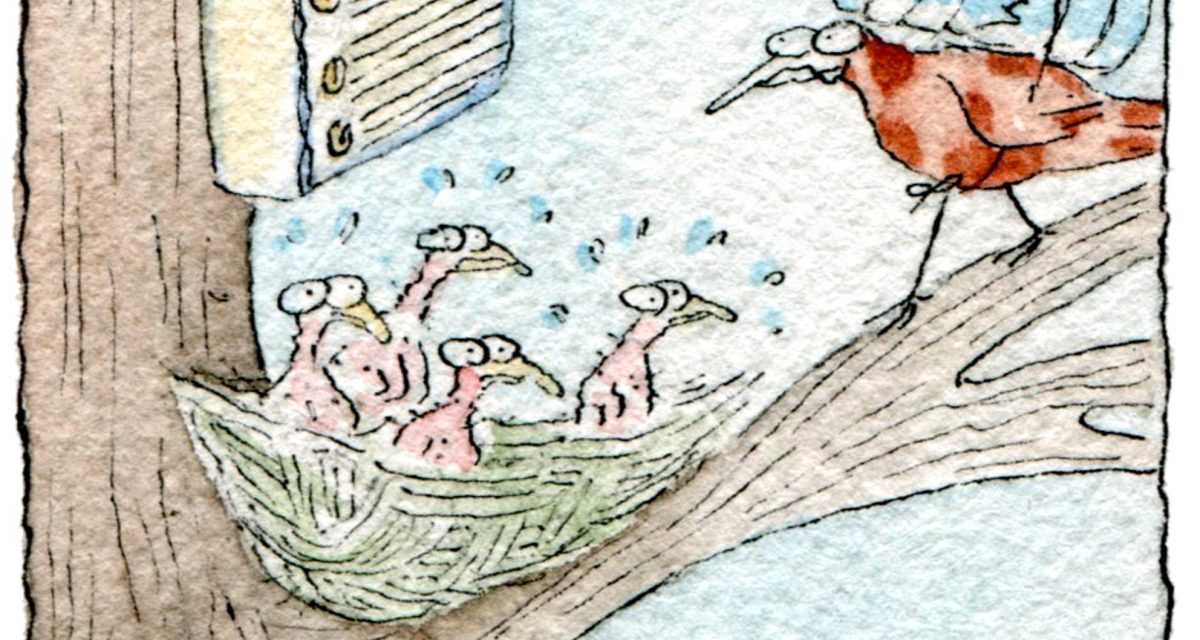
Baby birds get water by absorbing it from the food they eat. As tiny and fragile creatures, they rely on this clever mechanism to stay hydrated. When a baby bird ingests insects or worms, the moisture contained in their prey serves as a vital source of hydration. This fascinating process ensures that even the tiniest of birds can thrive in their natural environment. Understanding how do baby birds get water sheds light on the intricate ways nature provides for its creatures.

How Do Baby Birds Get Water: A Fascinating Look into Nature’s Ways
Have you ever wondered how baby birds quench their thirst? It’s a curious question that leads us into the intricate world of bird behavior and adaptation. In this article, we will explore the various ways in which baby birds get the essential water they need to survive and thrive in the wild.
The Importance of Water for Baby Birds
Water is vital for all living creatures, including baby birds. Just like humans, birds need water to stay hydrated, regulate their body temperature, and aid in digestion. Without an adequate supply of water, baby birds would not be able to grow and develop properly.
Getting Water from Food
One common way that baby birds get water is through their food. Many birds, especially those that feed on insects, worms, and other small creatures, obtain water from the moisture content of their prey. When baby birds eat these juicy morsels, they also ingest the water contained within them.
Regurgitation Process
Some bird species, such as pigeons and doves, have a unique way of providing water to their young through a process called regurgitation. Adult birds consume water and store it in a special part of their digestive system. When they return to the nest, they regurgitate or bring back this water-rich food for their chicks to consume.
Drinking from Puddles and Streams
As baby birds grow older and become more independent, they may venture out of the nest in search of water sources. Birds that live near bodies of water, such as ponds, streams, or puddles, may take sips directly from these sources to fulfill their hydration needs.
Learning to Drink
Young birds learn to drink water by observing their parents and siblings. They mimic the behavior of their adult counterparts and gradually develop the skills needed to scoop up water with their beaks. It’s a crucial learning process that helps them survive in the wild.
Using Rainwater and Dew
During the early morning hours or after a rainfall, baby birds have the opportunity to drink rainwater or dew that has collected on leaves, branches, or other surfaces. They may use their beaks to lap up these natural sources of water, providing them with a refreshing drink.
Adapting to the Environment
Birds have adapted to their surroundings over millions of years, developing behaviors that enable them to extract water from various sources. Their ability to utilize rainwater and dew showcases their resourcefulness in finding hydration in different conditions.
Supplementing with Water-filled Foods
Some bird species rely on water-filled foods, such as fruits, berries, or nectar, to supplement their hydration needs. Baby birds that feed on these foods indirectly consume the water content present in them, allowing them to stay hydrated while enjoying a tasty treat.
Importance of a Balanced Diet
A balanced diet that includes water-rich foods is essential for the health and growth of baby birds. By consuming a variety of foods that provide both nutrients and hydration, young birds can develop strong bodies and sharp minds.
In conclusion, baby birds have developed fascinating ways to obtain the water they need to thrive in their natural habitat. From extracting water from their food to drinking from puddles and utilizing rainwater, these feathered creatures have adapted to ensure their survival. By observing the behaviors of baby birds in the wild, we gain a deeper appreciation for the wonders of nature and the resilience of the animal kingdom.
Next time you spot a baby bird in your backyard or on a nature walk, take a moment to marvel at their ingenuity in finding water sources. Remember, nature is full of surprises, and the ways in which baby birds get water are just one example of the incredible adaptations that exist in the world around us.
What To Feed An Abandoned Baby Bird
Frequently Asked Questions
How do baby birds stay hydrated?
Baby birds get water primarily from the food they eat. Insects, worms, and other prey items are typically high in moisture content, which helps meet their hydration needs. Parent birds also regurgitate water to their chicks to ensure they stay hydrated.
Can baby birds drink water directly?
Most species of baby birds, especially those that are nest-bound, do not drink water directly like adult birds. Their tiny bodies are not yet developed to efficiently process water, so they rely on other sources of hydration as mentioned earlier.
Do baby birds need a separate water source?
It is not necessary to provide a separate water source for baby birds kept in nests. The parent birds take on the responsibility of providing water through the food they bring to their young. Attempting to give water directly to baby birds can be risky if not done correctly.
Final Thoughts
Baby birds obtain water through various sources like regurgitated food, dew, or directly from bodies of water. Parent birds play a crucial role in providing water to their offspring by feeding them with water-rich foods and teaching them where to find water. It is essential for baby birds’ survival and growth to stay hydrated, especially during hot weather. Understanding how baby birds get water helps us appreciate the intricate ways in which nature ensures the well-being of its creatures.