
Drawing atoms can be a fun and creative way to visualize the building blocks of matter. By understanding the basics of atomic structure, anyone can learn how to draw atoms with ease. Whether you’re a student studying chemistry, an artist looking for inspiration, or just curious about the world around you, this step-by-step guide will help you master the art of representing atoms on paper. Let’s dive in and explore the fascinating world of atomic drawing.

How to Draw Atoms
Welcome, young scientists! Today, we are going to explore the fascinating world of atoms and learn how to draw them in a simple and fun way. Atoms are the building blocks of everything around us, from the air we breathe to the water we drink. By understanding how to draw atoms, you can get a glimpse into the tiny world that makes up all matter. So, grab your pencils and let’s dive into the exciting world of atomic drawing!
The Basics of Atoms
Before we start drawing atoms, let’s quickly go over what atoms are. Atoms are incredibly small particles that make up all matter in the universe. They consist of even smaller parts called protons, neutrons, and electrons. Protons have a positive charge, neutrons have no charge, and electrons have a negative charge. These tiny particles come together to form different elements, like oxygen, hydrogen, and carbon.
Gathering Your Drawing Materials
Before we begin our atomic drawing adventure, make sure you have the following materials ready:
- Paper
- Pencils
- Colored pencils or markers (optional)
- Ruler
- Eraser
Drawing a Simple Atom
Let’s start with a basic representation of an atom. Follow these steps to draw a simple atom:
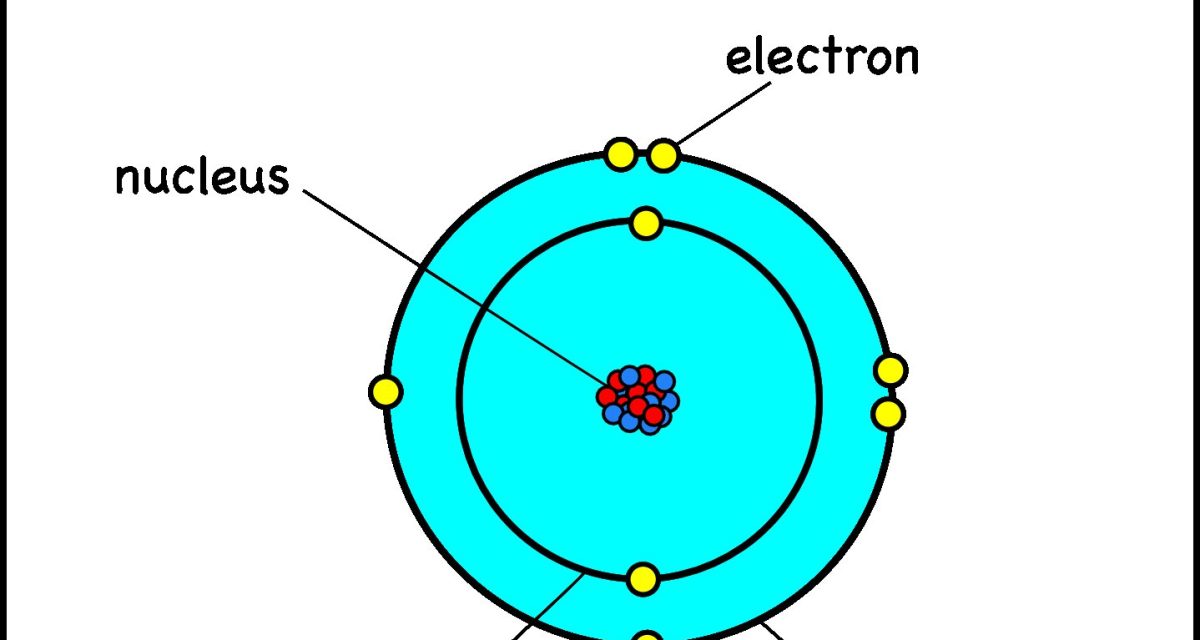
- Draw a circle in the center of your paper. This will represent the nucleus of the atom.
- Inside the nucleus, draw small circles to represent protons and neutrons. You can color the protons red and the neutrons blue to differentiate them.
- Around the nucleus, draw smaller circles or dots to represent electrons. Remember, electrons are constantly moving around the nucleus in specific energy levels.
- You can use different colors for the electrons to make your atom drawing more colorful and engaging.
Adding Details to Your Atom Drawing
Now that you have a basic atom drawing, let’s add some details to make it more realistic:
- Label the different parts of the atom (protons, neutrons, and electrons).
- Draw arrows to show the movement of electrons around the nucleus.
- Add lines to connect the nucleus to the electrons, representing the energy levels.
- You can also add a key to explain the colors and symbols used in your drawing.
Understanding Atomic Structures
Atoms have specific structures based on the number of protons, neutrons, and electrons they contain. The number of protons determines the element, while the number of neutrons can vary, creating different isotopes of the same element. Electrons are arranged in energy levels around the nucleus, with each level holding a specific number of electrons.
Drawing Different Elements
Each element has a unique atomic structure. Here’s how you can draw different elements:
Hydrogen Atom
To draw a hydrogen atom, follow the steps for drawing a simple atom. Hydrogen has one proton and one electron, making it the simplest element.
Oxygen Atom
Oxygen has eight protons, eight neutrons, and eight electrons. Draw the nucleus with eight protons and eight neutrons, and arrange the electrons in energy levels around the nucleus.
Carbon Atom
Carbon has six protons, six neutrons, and six electrons. Draw the nucleus with six protons and neutrons, and arrange the electrons in energy levels, following the specific electron configuration of carbon.
Experimenting with Isotopes
Isotopes are atoms of the same element that have a different number of neutrons. You can draw isotopes by changing the number of neutrons in the nucleus while keeping the number of protons and electrons the same. This variation in neutrons can affect the stability and properties of the atom.
Fun Atom Drawing Activities
Now that you’ve learned how to draw atoms, here are some fun activities to explore further:
Atomic Art Collage
Create an atomic art collage by drawing different atoms and arranging them on a poster board. You can add labels, colors, and patterns to make your atomic collage visually appealing.
Atomic Models
Use clay or playdough to create 3D models of atoms. Mold the nucleus, protons, neutrons, and electrons to understand the three-dimensional structure of atoms.
Atom Diorama
Build a mini atom diorama using craft materials like foam balls, pipe cleaners, and beads. Arrange the materials to represent the nucleus and electron clouds of different atoms.
Congratulations, young scientists! You’ve mastered the art of drawing atoms and gained a deeper understanding of the building blocks of matter. Keep exploring the world of atoms through drawing and hands-on activities to ignite your curiosity and creativity. Remember, atoms are the tiny heroes that make up everything in the universe, so continue to unravel their mysteries through art and science!
How To Draw An Atom
Frequently Asked Questions
What tools do I need to draw atoms?
To draw atoms, you will need a pencil or pen, paper, a ruler for straight lines, and colored pencils or markers if you want to differentiate between different elements.
How can I represent electrons when drawing atoms?
Electrons are commonly represented as small dots or circles around the nucleus of the atom. You can also use lines to show the movement of electrons in different energy levels or orbitals.
What is the correct way to show protons and neutrons in an atom drawing?
Protons and neutrons are typically drawn as larger circles or dots within the nucleus of the atom. You can label them with the respective charges (+ for protons and no charge for neutrons) to distinguish between them.
Can I use symbols to represent different elements when drawing atoms?
Yes, you can use the chemical symbols of elements to represent them in atom drawings. For example, “H” for hydrogen, “O” for oxygen, or “Fe” for iron. This can help in identifying the specific element being depicted.
Final Thoughts
In conclusion, drawing atoms is essential for understanding chemistry. Start by identifying the number of protons, neutrons, and electrons in the atom. Next, represent the nucleus and electron shells using circles and dots. Ensure accuracy by referencing the periodic table. Practice drawing atoms to improve your skills. Mastering how to draw atoms will enhance your comprehension of chemical structures.